Opens in a new tab
Industry Solution

Retail.

Protecting customers, employees, merchandise, and store operations across entire retail networks with WinGuard, the open integration platform for security and building management.

The Challenge

Risks rising.
Regulation tighter.

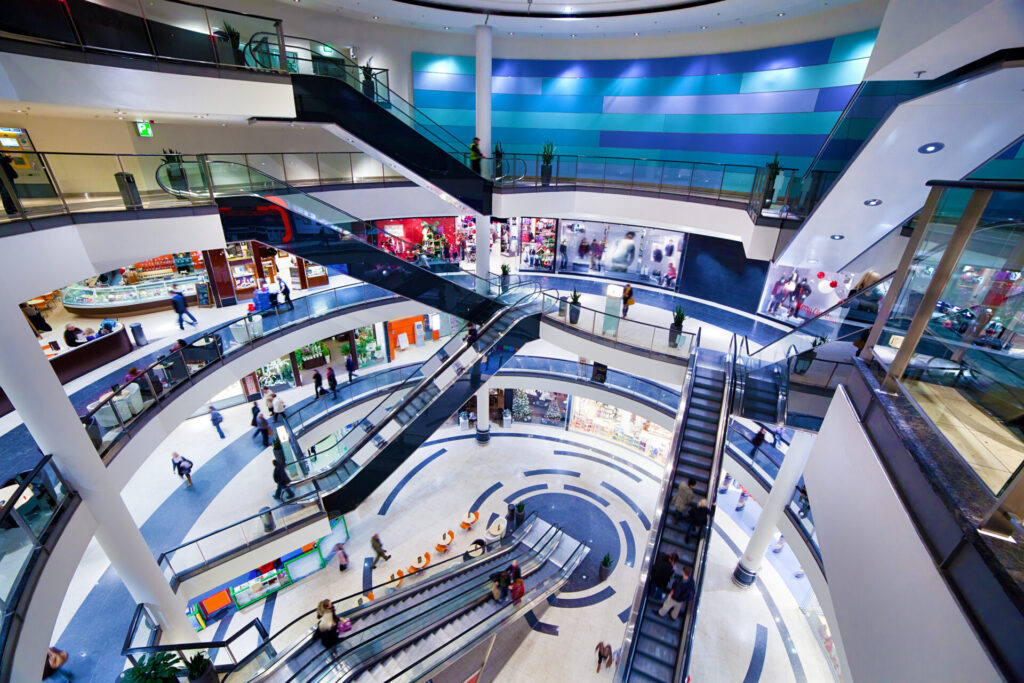
Retail organizations must improve security and operational efficiency while keeping costs under control. During business hours, local teams need clear information to protect customers, employees, and merchandise. Outside opening hours, unmanned stores may be monitored centrally across an entire network. Fire and intrusion detection, video surveillance, access control, point-of-sale and RFID systems, and building technologies all generate information that must be assessed quickly and consistently.

  • People and asset protection

    Customers, employees, merchandise, and store facilities require reliable protection throughout the day.

  • Centralized multi-site monitoring

    Local and central teams need a consistent view of events across every connected store and facility.

  • Operational efficiency

    Relevant information must be prioritized so personnel can focus on situations that require action.

  • Building and equipment availability

    Refrigeration, HVAC, lighting, and other technical systems must remain within defined operating conditions.

The Platform

Everything at a glance.

WinGuard brings fire and intrusion detection, video surveillance, access control, point-of-sale and RFID systems, and building technologies such as HVAC, lighting, and refrigeration monitoring together in one operational environment. Each store can be monitored locally, centrally, or through a combination of both. The platform filters and presents relevant information, supports guided incident handling, and can initiate coordinated actions across connected systems. Its open architecture makes it possible to add further locations and technologies as the retail network evolves.

  • Automated cross-system actions 
  • Flexible integration 
  • Centralized control 
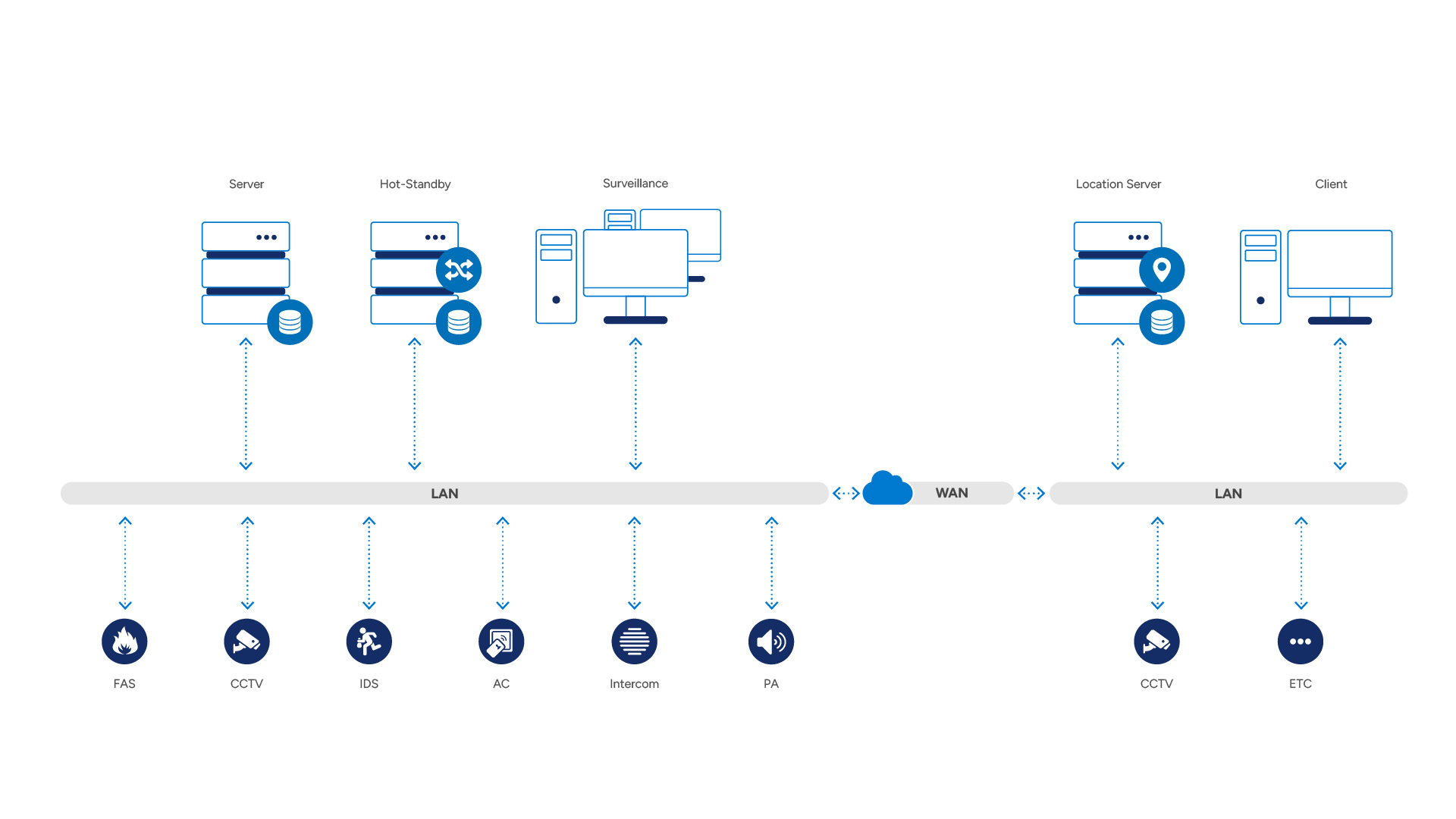
System architecture for energy operators: server, hot-standby, surveillance, client, video wall and mobile workstations connected over LAN; integrated subsystems include fire alarm (FAS), intrusion (IDS), CCTV, access control (AC), radio, public address (PA), perimeter and IoT
System architecture
Scenarios & Solutions

The situations WinGuard handles.

01 / 04

Protecting stores outside business hours.

When an intrusion, fire, or access alarm is triggered at an unmanned store, central operators need immediate context. WinGuard identifies the affected location and consolidates the relevant alarm, video, and system information in one incident view.

Operators can verify the situation, follow predefined procedures, and control connected systems centrally. Cameras can be displayed, lighting activated, and local security personnel or emergency services notified according to the event.

02 / 04

Investigating suspicious activity and loss events.

Retail environments generate information from point-of-sale, RFID, video, access-control, and security systems. When suspicious activity or a loss-related event requires investigation, teams need access to the relevant information without working across separate applications.

WinGuard consolidates available event and system data and gives operators direct access to the associated security context. Incidents and actions are documented centrally, helping security teams review events consistently across the retail network.

03 / 04

Keeping critical store technology within limits.

Refrigeration, HVAC, lighting, and other building systems directly affect store operations and product quality. WinGuard continuously monitors connected devices and defined values, including temperatures in refrigerated areas.

When a configured threshold is exceeded or a technical fault occurs, the platform can initiate predefined countermeasures and notify the responsible personnel. Early intervention helps reduce downtime, protect goods, and maintain a safe environment for customers and employees.

04 / 04
Companion use case

One access policy across every location.

Retail organizations often manage a large number of employees, temporary staff, contractors, and service providers across many stores. High staff turnover and locally managed access-control systems make it difficult to maintain a transparent overview and deactivate rights immediately when they are no longer required.

AIM centralizes cardholder and authorization management across the existing access-control landscape. Security teams can assign, monitor, and revoke access rights from a central point while identity and authorization data are synchronized  with local systems. This reduces duplicate work, supports consistent security policies, and improves control over sensitive stockrooms, offices, and technical areas.

Learn more about AIM